Buy rongbachkim1.com ?
We are moving the project
rongbachkim1.com .
Are you interested in purchasing the domain
rongbachkim1.com ?
domain@kv-gmbh.de · 0541-91531010
Buy rongbachkim1.com ?
What are irises?
Irises are flowering plants that belong to the Iridaceae family. They are known for their showy, colorful flowers that come in a wide range of hues, including purple, blue, white, and yellow. Irises are popular garden plants due to their beauty and variety, and they are often used in landscaping and floral arrangements. **
'Lower classifications of irises'
Lower classifications of irises refer to the different species, varieties, and cultivars within the Iris genus. These lower classifications help to categorize irises based on specific characteristics such as color, size, and growth habits. Some common lower classifications of irises include bearded irises, Siberian irises, and Japanese irises. Each of these classifications has its own unique features and requirements for care and cultivation. **

Similar search terms for Irises
Top-Angebote
Products related to Irises:
-
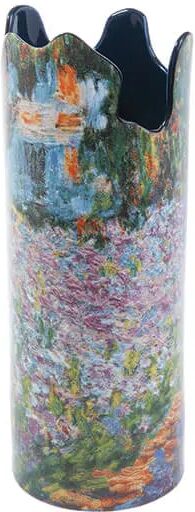
John Beswick Monet Irises in Garden VaseThe Monet Irises in Garden Vase brings a touch of artistic elegance to your living space, perfect for displaying fresh or dried flowers. Inspired by Monet’s iconic artwork, this vase makes a striking centrepiece for your home. Its graceful design enhances any room, adding colour and character whether used alone or filled with floral arrangements.55,00 £*Shipping: 0,00 £Secure redirect to the provider


-
When are irises planted?
Irises are typically planted in late summer or early fall, around August to October, depending on the specific variety and location. This timing allows the irises to establish their roots before the winter months and ensures they will bloom in the spring or early summer. **
-
Lower classifications of irises
Lower classifications of irises include the following categories: 1. Subgenus: This is a taxonomic rank below the genus level and is used to group species within a genus based on shared characteristics. 2. Section: This is a taxonomic rank below the subgenus level and is used to further classify species within a subgenus based on specific characteristics. 3. Series: This is a taxonomic rank below the section level and is used to group species within a section based on even more specific characteristics. 4. Subsection: This is a taxonomic rank below the series level and is used to further classify species within a series based on additional characteristics. Overall, these lower classifications help botanists and horticulturists organize and categorize the diverse range of iris species based on their unique traits and characteristics. **
-
Which irises are these?
These irises appear to be bearded irises, which are characterized by the fuzzy "beard" on the lower petal of the flower. Bearded irises are a popular garden plant and come in a wide range of colors, including purple, white, yellow, and blue. They are known for their striking appearance and are often used in landscaping and flower arrangements. **
-
When can you transplant irises?
Irises can be transplanted in late summer to early fall, after they have finished blooming. This allows the plants to establish themselves in their new location before the winter months. **


Are irises good for bees, and if so, which species?
Irises are good for bees as they provide a good source of nectar and pollen. Bearded irises, in particular, are known to attract bees with their vibrant colors and sweet fragrance. Other species of irises, such as Dutch irises and Siberian irises, also attract bees and other pollinators to the garden. Overall, planting a variety of iris species can help support bee populations by providing them with a rich source of food. **
Why does a Thuja hedge die after over 30 years due to irises?
A Thuja hedge may die after over 30 years due to irises because the irises can compete with the Thuja for nutrients, water, and sunlight. As the irises grow and spread, they can create a dense root system that deprives the Thuja hedge of essential resources, leading to its decline and eventual death. Additionally, the shade created by the irises can also impact the Thuja's ability to photosynthesize and thrive. Regular maintenance and management of the irises, such as thinning them out and controlling their spread, can help prevent this competition and prolong the life of the Thuja hedge. **
Top-Angebote
Products related to Irises:
-
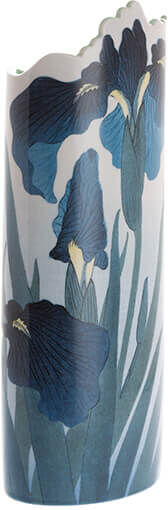
John Beswick Koson Irises VaseThe Koson Irises Vase brings a refined touch to any room, offering a stylish way to display your favourite flowers or enhance your décor. Perfect for adding character to your living space, this elegant vase complements both modern and classic interiors. Its versatile design makes it a lovely centrepiece for everyday use or special occasions.55,00 £*Shipping: 0,00 £Secure redirect to the provider
-
John Beswick Van Gogh Irises VaseThe Van Gogh Irises Vase brings a touch of artistic elegance to your home, inspired by the iconic Irises painting for a distinctive display piece. Showcasing a design influenced by Van Gogh’s celebrated artwork, this vase adds character and colour to any room. It’s perfect for displaying fresh flowers or as a striking decorative accent, helping you create a welcoming atmosphere with ease.55,00 £*Shipping: 0,00 £Secure redirect to the provider
-
John Beswick Monet Irises in Garden VaseThe Monet Irises in Garden Vase brings a touch of artistic elegance to your living space, perfect for displaying fresh or dried flowers. Inspired by Monet’s iconic artwork, this vase makes a striking centrepiece for your home. Its graceful design enhances any room, adding colour and character whether used alone or filled with floral arrangements.55,00 £*Shipping: 0,00 £Secure redirect to the provider
-
What are irises?
Irises are flowering plants that belong to the Iridaceae family. They are known for their showy, colorful flowers that come in a wide range of hues, including purple, blue, white, and yellow. Irises are popular garden plants due to their beauty and variety, and they are often used in landscaping and floral arrangements. **
-
'Lower classifications of irises'
Lower classifications of irises refer to the different species, varieties, and cultivars within the Iris genus. These lower classifications help to categorize irises based on specific characteristics such as color, size, and growth habits. Some common lower classifications of irises include bearded irises, Siberian irises, and Japanese irises. Each of these classifications has its own unique features and requirements for care and cultivation. **
-
When are irises planted?
Irises are typically planted in late summer or early fall, around August to October, depending on the specific variety and location. This timing allows the irises to establish their roots before the winter months and ensures they will bloom in the spring or early summer. **
-
Lower classifications of irises
Lower classifications of irises include the following categories: 1. Subgenus: This is a taxonomic rank below the genus level and is used to group species within a genus based on shared characteristics. 2. Section: This is a taxonomic rank below the subgenus level and is used to further classify species within a subgenus based on specific characteristics. 3. Series: This is a taxonomic rank below the section level and is used to group species within a section based on even more specific characteristics. 4. Subsection: This is a taxonomic rank below the series level and is used to further classify species within a series based on additional characteristics. Overall, these lower classifications help botanists and horticulturists organize and categorize the diverse range of iris species based on their unique traits and characteristics. **
Similar search terms for Irises
-
Harper ltd Max Lugavere 2 Book Set – Genius Foods & The Genius Life Brain Health, Nutrition & Wellness CollectionMax Lugavere 2-Book Collection Set (The Genius Life & Genius Foods – Nutrition, Health, Wellness, Diet, Brain & Body Health, Self-Help & Fitness) The Genius Life: Heal Your Mind, Strengthen Your Body, and Become Extraordinary: Supporting the work of Battersea Dogs and Cats Home.Enjoy a heartwarming dog to brighten every single day of the year. From Pickles, the dog who single-handedly saved the 1966 world cup, to Pal, who found silver screen fame as the original Lassie, Battersea's A Dog a Day contains 365 fascinating stories of dogs to enjoy throughout the year.Beautifully packaged and illustrated throughout with charming illustrations of cheeky puppies and hounds, this is the perfect book for any lover of our four-legged friends. Genius Foods: Become Smarter, Happier, and More Productive While Protecting Your Brain for Life: After his mother was diagnosed with a mysterious form of dementia, Max Lugavere put his successful media career on hold to learn everything he could about brain health and performance. For the better half of a decade, he consumed the most up-to-date scientific research, talked to dozens of leading scientists and clinicians around the world, and visited the country’s best neurology departments—all in the hopes of understanding his mother’s condition.Now, in Genius Foods, Lugavere presents a comprehensive guide to brain optimization. He uncovers the stunning link between our dietary and lifestyle choices and our brain functions, revealing how the foods you eat directly affect your ability to focus, learn, remember, create, analyze new ideas, and maintain a balanced mood.12,95 £*Shipping: 2,99 £Secure redirect to the provider
-
HARPERCOLLINS Clean Eating Alice: Everyday Fitness – Healthy Recipes & Practical Workout Guide for Everyday Wellness by Alice Liveing – Workout & Nutrition GuideTransform your approach to health and fitness with Clean Eating Alice Everyday Fitness: Train Smart, Eat Well and Get the Body You Love by Alice Liveing. This practical, motivating guide combines smart training principles with balanced nutrition to help readers build strength, confidence, and sustainable healthy habits. Alice Liveing shares structured workout plans, approachable meal ideas, and realistic lifestyle advice designed to fit everyday routines — no extremes or quick fixes required. Focused on long-term wellbeing rather than short-term dieting, the book empowers readers to develop a positive relationship with food and exercise while working toward personal fitness goals. Whether you’re new to training or refining your routine, this guide offers clear, supportive direction for lasting results. Why Readers Love This Book: Structured fitness training plans for real-life schedules Balanced nutrition guidance — no fad dieting Encourages sustainable, long-term habits Motivational, beginner-friendly tone Ideal for home or gym-based workouts A smart, accessible roadmap to healthier living, Clean Eating Alice Everyday Fitness helps readers feel strong, energized, and confident.2,80 £*Shipping: 1,99 £Secure redirect to the provider
-
Which irises are these?
These irises appear to be bearded irises, which are characterized by the fuzzy "beard" on the lower petal of the flower. Bearded irises are a popular garden plant and come in a wide range of colors, including purple, white, yellow, and blue. They are known for their striking appearance and are often used in landscaping and flower arrangements. **
-
When can you transplant irises?
Irises can be transplanted in late summer to early fall, after they have finished blooming. This allows the plants to establish themselves in their new location before the winter months. **
-
Are irises good for bees, and if so, which species?
Irises are good for bees as they provide a good source of nectar and pollen. Bearded irises, in particular, are known to attract bees with their vibrant colors and sweet fragrance. Other species of irises, such as Dutch irises and Siberian irises, also attract bees and other pollinators to the garden. Overall, planting a variety of iris species can help support bee populations by providing them with a rich source of food. **
-
Why does a Thuja hedge die after over 30 years due to irises?
A Thuja hedge may die after over 30 years due to irises because the irises can compete with the Thuja for nutrients, water, and sunlight. As the irises grow and spread, they can create a dense root system that deprives the Thuja hedge of essential resources, leading to its decline and eventual death. Additionally, the shade created by the irises can also impact the Thuja's ability to photosynthesize and thrive. Regular maintenance and management of the irises, such as thinning them out and controlling their spread, can help prevent this competition and prolong the life of the Thuja hedge. **
* All prices are inclusive of VAT and, if applicable, plus shipping costs. The offer information is based on the details provided by the respective shop and is updated through automated processes. Real-time updates do not occur, so deviations can occur in individual cases. ** Note: Parts of this content were created by AI.