Buy rongbachkim1.com ?
We are moving the project
rongbachkim1.com .
Are you interested in purchasing the domain
rongbachkim1.com ?
domain@kv-gmbh.de · 0541-91531010
Buy rongbachkim1.com ?
Why is the fuel gauge stuck at 0?
The fuel gauge may be stuck at 0 due to a malfunction in the fuel sending unit, which is responsible for measuring the amount of fuel in the tank and sending the information to the gauge. This could be caused by a faulty sensor or a wiring issue. Another possible reason could be a blown fuse that controls the fuel gauge. It is important to have the issue diagnosed and repaired by a professional to ensure accurate fuel level readings. **
Which pressure gauge is relevant for the heating system?
The relevant pressure gauge for a heating system is the boiler pressure gauge. This gauge measures the pressure inside the boiler and ensures that it is operating within the safe and efficient range. Monitoring the boiler pressure is important for maintaining the proper functioning of the heating system and preventing potential damage or malfunctions. It is essential to regularly check and adjust the boiler pressure to ensure the heating system operates effectively. **

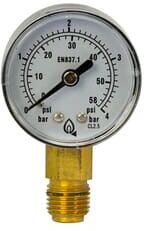
Similar search terms for Clesse-0-250mbar-Pressure-Gauge
Top-Angebote
Products related to Clesse-0-250mbar-Pressure-Gauge:
-
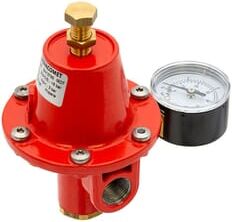
Clesse APZ120R 1-3 Bar Propane High Pressure Regulator with GaugeThe Clesse APZ120R High Pressure Propane Gas Regulator with Pressure Gauge, designed for precision and reliability. With an adjustable pressure range of 0.5 to 3 Bar, this regulator caters to a wide variety of applications, ensuring optimal performance for your propane needs. Whether for residential use or commercial setups, the Clesse APZ120R guarantees consistent gas flow, enhancing the efficiency and safety of your equipment. It is mainly used in small domestic or commercial installations to supply special equipment such as bespoke cookers, blow torches, roofing equipment, warm air generators and special technical burners which require a fixed or variable high pressure input to control the flow of gas up to a capacity of 18kg/h (250kW). Engineered with durability in mind, this high-quality regulator promises longevity and robust performance under various conditions.29,26 £*Shipping: 5,00 £Secure redirect to the provider
-
Clesse AP40 High Pressure Propane Regulator with Gauge – 40–60kg/hrThe Clesse AP40 Propane High Pressure Regulator, a robust and versatile solution designed to optimise your LPG system performance. This high-capacity regulator supports a substantial flow rate of 40-60kg/hr, making it perfectly suited for a variety of applications ranging from domestic to industrial settings. It provides the first stage regulation function without OPSO between 1 – 3bar and can be fitted directly onto the Tanks or inline using Tank Manifold kits. Design and performance to BS EN 1378547,50 £*Shipping: 5,00 £Secure redirect to the provider
-
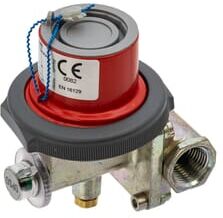
Clesse High Pressure OPSO Internally Sensed 1/2The Clesse in-line over pressure slam shut (OPSO) unit protects gas installations, especially polyethylene pipework, from potentially dangerous over pressure situations. The unit is fitted after the first stage regulator. When the pressure increases above the predetermined set pressure, the OPSO unit trigger mechanism operates and the valve shuts off the gas supply. Resetting of the unit can only be achieved manually Suitable for LPG only93,06 £*Shipping: 0,00 £Secure redirect to the provider
-
Clesse High Pressure OPSO Internally Sensed 3/4The Clesse in-line over pressure slam shut (OPSO) unit protects gas installations, especially polyethylene pipework, from potentially dangerous over pressure situations. The unit is fitted after the first stage regulator. When the pressure increases above the predetermined set pressure, the OPSO unit trigger mechanism operates and the valve shuts off the gas supply. Resetting of the unit can only be achieved manually. Suitable for LPG only93,06 £*Shipping: 0,00 £Secure redirect to the provider


-
How do I set up my air pressure gauge?
To set up your air pressure gauge, first ensure that the gauge is calibrated to zero. Then, attach the gauge to the valve stem of the tire and press firmly to create a seal. The gauge will then display the current air pressure reading. If the reading is lower than the recommended pressure for your tire, use an air compressor to add air until the correct pressure is reached. If the reading is higher than the recommended pressure, use a tire pressure gauge with a pressure release valve to release air until the correct pressure is reached. **
-
What transformer do I need for a gauge 0 Rivarossi locomotive?
To determine the appropriate transformer for a gauge 0 Rivarossi locomotive, you will need to consider the power requirements of the locomotive. Typically, gauge 0 locomotives require a transformer with a power output of at least 10-15 volts and 1-2 amps. It is important to match the power output of the transformer to the requirements of the locomotive to ensure proper operation and avoid damaging the model. You may also want to consider a transformer with additional features such as speed control and direction control for a more versatile operation. **
-
Which transformer do I need for a gauge 0 Rivarossi locomotive?
To determine the appropriate transformer for a gauge 0 Rivarossi locomotive, you will need to consider the power requirements of the locomotive. Typically, gauge 0 locomotives require a transformer with an output voltage of around 12-16 volts and a current rating of at least 1 amp. It is recommended to choose a transformer specifically designed for model trains to ensure compatibility and optimal performance. Additionally, you may want to consult the manufacturer's guidelines or contact a model train expert for further assistance in selecting the right transformer for your Rivarossi locomotive. **
-
What is the loop in front of the pressure gauge?
The loop in front of the pressure gauge is a siphon loop. It is used to protect the pressure gauge from the effects of high temperature and pressure in the system. The siphon loop contains a liquid that helps to dissipate the heat and pressure before it reaches the pressure gauge, preventing damage to the gauge. This design ensures the accuracy and longevity of the pressure gauge in high-pressure and high-temperature applications. **

How does the pressure gauge on the heating system work?
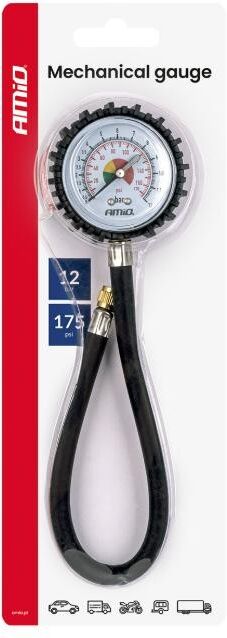
The pressure gauge on a heating system works by measuring the pressure of the water or steam within the system. It typically consists of a dial with a needle that indicates the pressure level. As the system heats up, the pressure increases, causing the needle to move accordingly on the gauge. This allows the user to monitor the pressure and ensure that it remains within the safe operating range. If the pressure gets too high or too low, it can indicate a problem with the system that needs to be addressed. **
How do you replace the pressure gauge on the sand filter?
To replace the pressure gauge on a sand filter, you will first need to turn off the pump and release the pressure from the filter. Next, use a wrench to unscrew the old pressure gauge from the filter. Once removed, wrap the threads of the new pressure gauge with Teflon tape to ensure a tight seal, then screw it into the filter. Finally, turn the pump back on and check for any leaks to ensure the new pressure gauge is installed correctly. **
Top-Angebote
Products related to Clesse-0-250mbar-Pressure-Gauge:
-
Clesse 0-250mbar Pressure Gauge with 60mm DialClesse 0-250mbar Pressure Gauge with 60mm Dial – Reliable Pressure Monitoring for Gas Installations The Clesse 0-250mbar Pressure Gauge is designed to provide precise pressure readings in LPG, Natural Gas, SNG, biomethane, and air installations. With a 60mm dial and a 1/4 BSP T male inlet connection, this gauge is ideal for both permanent and occasional use. According to BS 1780 standards, gauges used permanently should operate within the first 50% of their range, while occasional use should be within 75% of the range for optimal accuracy. This pressure gauge features a multi-scale display that shows pressure readings in both mbar and wc, ensuring easy monitoring and compatibility with various appl45,78 £*Shipping: 5,00 £Secure redirect to the provider
-
Clesse 0-4 bar Pressure Gauge with 40mm DialClesse 0-4 bar Pressure Gauge with 40mm Dial – Precise Pressure Monitoring for Gas Installations The Clesse 0-4 bar Pressure Gauge is designed for accurate pressure measurement in LPG, Natural Gas, SNG, biomethane, and air installations. Featuring a 40mm dial and a 1/4 BSP T male inlet connection, this compact gauge is perfect for use in both permanent and occasional applications. In compliance with BS 1780 standards, gauges used permanently should operate within the first 50% of their range, while those used occasionally can be used within the first 75% for optimal performance. This pressure gauge is versatile and can be installed on a regulator or piping, offering reliable performance in both high and low-pressure environments. The multi-s11,64 £*Shipping: 5,00 £Secure redirect to the provider
-
Clesse APZ120R 1-3 Bar Propane High Pressure Regulator with GaugeThe Clesse APZ120R High Pressure Propane Gas Regulator with Pressure Gauge, designed for precision and reliability. With an adjustable pressure range of 0.5 to 3 Bar, this regulator caters to a wide variety of applications, ensuring optimal performance for your propane needs. Whether for residential use or commercial setups, the Clesse APZ120R guarantees consistent gas flow, enhancing the efficiency and safety of your equipment. It is mainly used in small domestic or commercial installations to supply special equipment such as bespoke cookers, blow torches, roofing equipment, warm air generators and special technical burners which require a fixed or variable high pressure input to control the flow of gas up to a capacity of 18kg/h (250kW). Engineered with durability in mind, this high-quality regulator promises longevity and robust performance under various conditions.29,26 £*Shipping: 5,00 £Secure redirect to the provider
-
Clesse AP40 High Pressure Propane Regulator with Gauge – 40–60kg/hrThe Clesse AP40 Propane High Pressure Regulator, a robust and versatile solution designed to optimise your LPG system performance. This high-capacity regulator supports a substantial flow rate of 40-60kg/hr, making it perfectly suited for a variety of applications ranging from domestic to industrial settings. It provides the first stage regulation function without OPSO between 1 – 3bar and can be fitted directly onto the Tanks or inline using Tank Manifold kits. Design and performance to BS EN 1378547,50 £*Shipping: 5,00 £Secure redirect to the provider
-
Why is the fuel gauge stuck at 0?
The fuel gauge may be stuck at 0 due to a malfunction in the fuel sending unit, which is responsible for measuring the amount of fuel in the tank and sending the information to the gauge. This could be caused by a faulty sensor or a wiring issue. Another possible reason could be a blown fuse that controls the fuel gauge. It is important to have the issue diagnosed and repaired by a professional to ensure accurate fuel level readings. **
-
Which pressure gauge is relevant for the heating system?
The relevant pressure gauge for a heating system is the boiler pressure gauge. This gauge measures the pressure inside the boiler and ensures that it is operating within the safe and efficient range. Monitoring the boiler pressure is important for maintaining the proper functioning of the heating system and preventing potential damage or malfunctions. It is essential to regularly check and adjust the boiler pressure to ensure the heating system operates effectively. **
-
How do I set up my air pressure gauge?
To set up your air pressure gauge, first ensure that the gauge is calibrated to zero. Then, attach the gauge to the valve stem of the tire and press firmly to create a seal. The gauge will then display the current air pressure reading. If the reading is lower than the recommended pressure for your tire, use an air compressor to add air until the correct pressure is reached. If the reading is higher than the recommended pressure, use a tire pressure gauge with a pressure release valve to release air until the correct pressure is reached. **
-
What transformer do I need for a gauge 0 Rivarossi locomotive?
To determine the appropriate transformer for a gauge 0 Rivarossi locomotive, you will need to consider the power requirements of the locomotive. Typically, gauge 0 locomotives require a transformer with a power output of at least 10-15 volts and 1-2 amps. It is important to match the power output of the transformer to the requirements of the locomotive to ensure proper operation and avoid damaging the model. You may also want to consider a transformer with additional features such as speed control and direction control for a more versatile operation. **
Similar search terms for Clesse-0-250mbar-Pressure-Gauge
-
Clesse High Pressure OPSO Internally Sensed 1/2The Clesse in-line over pressure slam shut (OPSO) unit protects gas installations, especially polyethylene pipework, from potentially dangerous over pressure situations. The unit is fitted after the first stage regulator. When the pressure increases above the predetermined set pressure, the OPSO unit trigger mechanism operates and the valve shuts off the gas supply. Resetting of the unit can only be achieved manually Suitable for LPG only93,06 £*Shipping: 0,00 £Secure redirect to the provider
-
Clesse High Pressure OPSO Internally Sensed 3/4The Clesse in-line over pressure slam shut (OPSO) unit protects gas installations, especially polyethylene pipework, from potentially dangerous over pressure situations. The unit is fitted after the first stage regulator. When the pressure increases above the predetermined set pressure, the OPSO unit trigger mechanism operates and the valve shuts off the gas supply. Resetting of the unit can only be achieved manually. Suitable for LPG only93,06 £*Shipping: 0,00 £Secure redirect to the provider
-
Clesse APS2000 High Pressure Propane Regulator – 150kg/hrThe Clesse APS2000 150 kg/hr Propane High Pressure Regulator is mainly used on Commercial, Industrial and Agricultural LPG Installations using Bulk Tanks. It provides the first stage regulation function without OPSO between 1 and 3bar and is fitted directly onto the Tanks or inline using Tank Manifold kits. Design and performance to BS EN 13785.185,40 £*Shipping: 0,00 £Secure redirect to the provider
-
Which transformer do I need for a gauge 0 Rivarossi locomotive?
To determine the appropriate transformer for a gauge 0 Rivarossi locomotive, you will need to consider the power requirements of the locomotive. Typically, gauge 0 locomotives require a transformer with an output voltage of around 12-16 volts and a current rating of at least 1 amp. It is recommended to choose a transformer specifically designed for model trains to ensure compatibility and optimal performance. Additionally, you may want to consult the manufacturer's guidelines or contact a model train expert for further assistance in selecting the right transformer for your Rivarossi locomotive. **
-
What is the loop in front of the pressure gauge?
The loop in front of the pressure gauge is a siphon loop. It is used to protect the pressure gauge from the effects of high temperature and pressure in the system. The siphon loop contains a liquid that helps to dissipate the heat and pressure before it reaches the pressure gauge, preventing damage to the gauge. This design ensures the accuracy and longevity of the pressure gauge in high-pressure and high-temperature applications. **
-
How does the pressure gauge on the heating system work?
The pressure gauge on a heating system works by measuring the pressure of the water or steam within the system. It typically consists of a dial with a needle that indicates the pressure level. As the system heats up, the pressure increases, causing the needle to move accordingly on the gauge. This allows the user to monitor the pressure and ensure that it remains within the safe operating range. If the pressure gets too high or too low, it can indicate a problem with the system that needs to be addressed. **
-
How do you replace the pressure gauge on the sand filter?
To replace the pressure gauge on a sand filter, you will first need to turn off the pump and release the pressure from the filter. Next, use a wrench to unscrew the old pressure gauge from the filter. Once removed, wrap the threads of the new pressure gauge with Teflon tape to ensure a tight seal, then screw it into the filter. Finally, turn the pump back on and check for any leaks to ensure the new pressure gauge is installed correctly. **
* All prices are inclusive of VAT and, if applicable, plus shipping costs. The offer information is based on the details provided by the respective shop and is updated through automated processes. Real-time updates do not occur, so deviations can occur in individual cases. ** Note: Parts of this content were created by AI.